Torn between the clean lines of a new build and the timeless character of a historic home in Grandview Heights? You are not alone. Both paths can be smart moves, and the right choice depends on how you live, what you want to spend on upkeep, and how comfortable you are with approvals and renovations. In this guide, you will learn how each option stacks up on costs, maintenance, financing, inspections, and lifestyle so you can move forward with clarity. Let’s dive in.
Grandview Heights housing at a glance
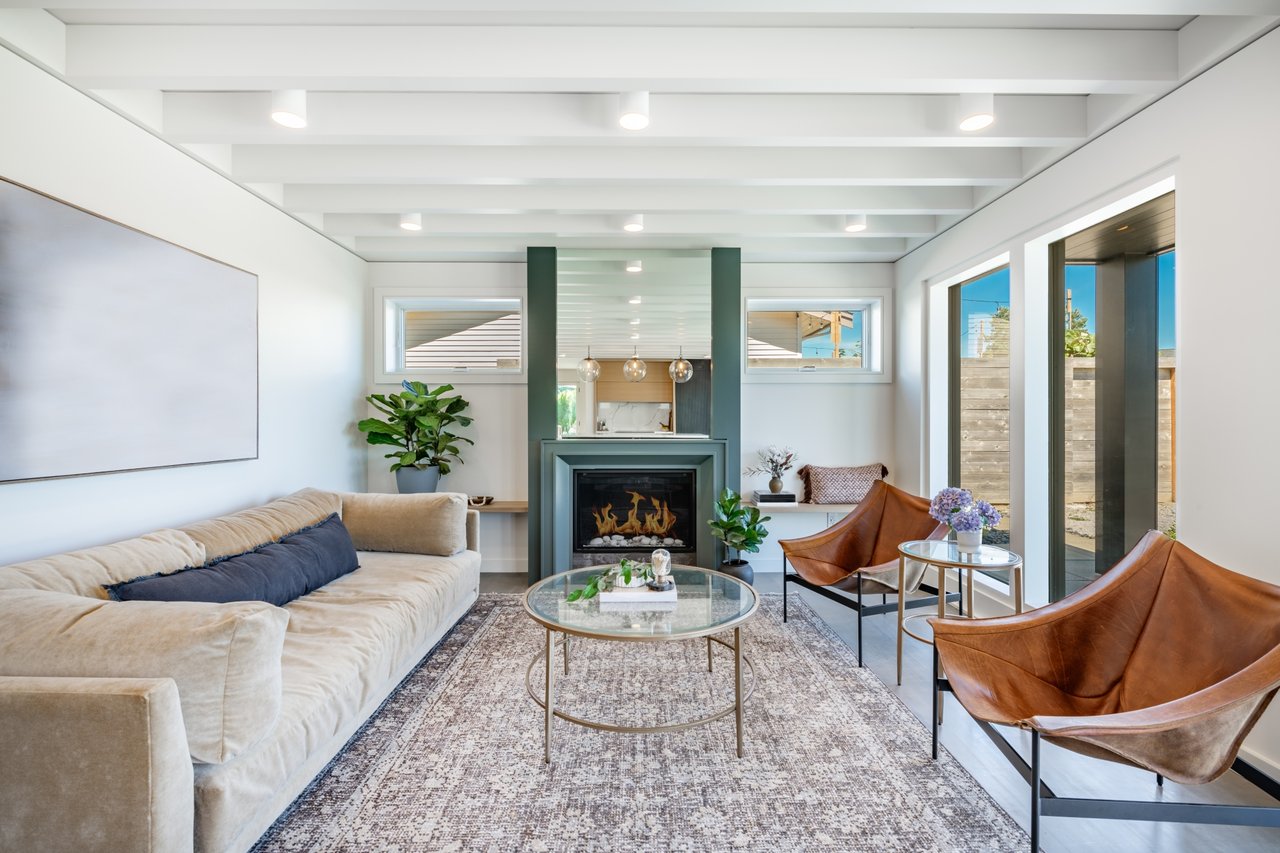
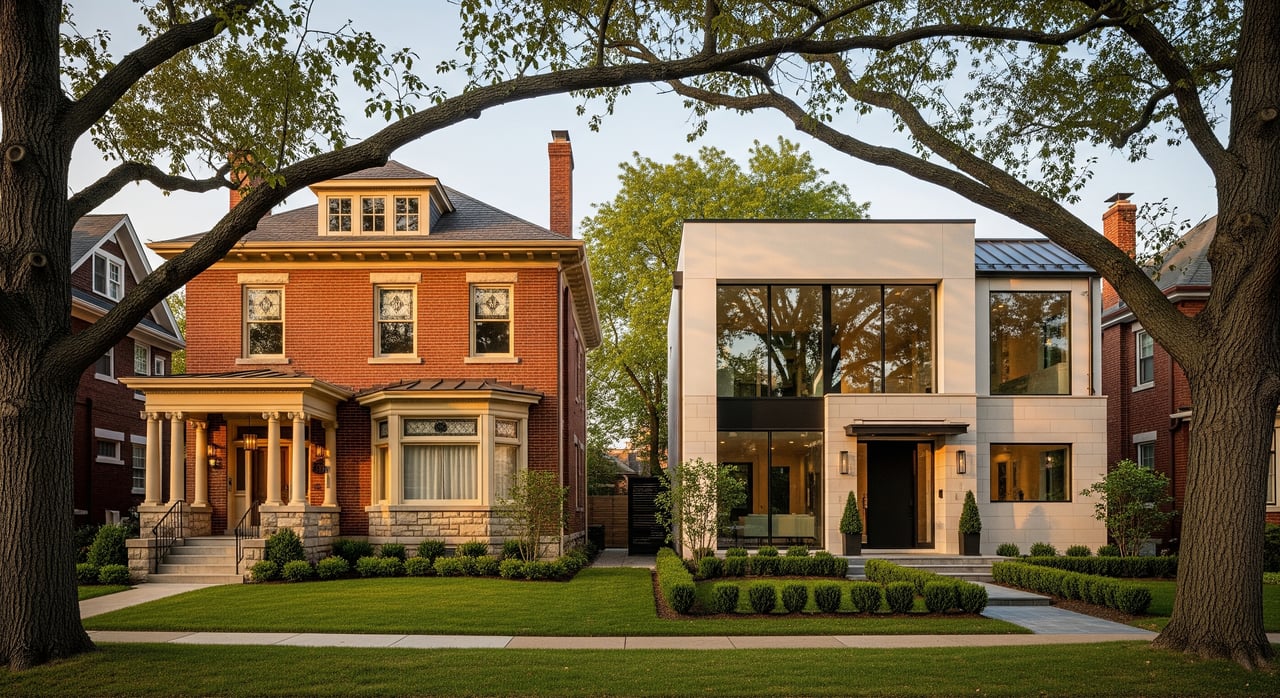
Grandview Heights blends early 20th-century homes with newer infill construction. You will see many styles associated with that era, including Craftsman, Colonial Revival, Tudor, and other period vernacular. Newer homes tend to offer open-concept layouts, modern systems, and energy-efficient features.
Lots and streets can vary by era. Older blocks often have smaller lots, mature trees, sidewalks, and strong street presence. New builds may be infill or tear-down replacements on existing lots. To understand the age mix on a specific street or property, review parcel data through county resources and the city’s planning department.
New build vs. historic: key differences
What you get with a new build
- Modern layout with larger kitchens, primary suites, and flexible work spaces.
- New mechanicals and insulation that can reduce near-term maintenance.
- Builder warranties that may cover certain materials and systems.
- Accessibility and smart-home features that are easier to integrate from day one.
What you get with a historic home
- Architectural character and original craftsmanship that is difficult to replicate.
- Established blocks with mature canopy, sidewalks, and a connected street grid.
- Potential value upside from thoughtful updates that respect period details.
- A distinct sense of place that many buyers prioritize when choosing Grandview Heights.
Price and resale drivers in Grandview Heights
New construction commonly carries a premium because of modern design, efficient systems, and lower immediate maintenance. Well-preserved or well-updated historic homes can also command strong prices when location, lot appeal, and thoughtful renovations align. Resale potential in both cases is shaped by condition, layout, and how closely the home fits buyer preferences in the neighborhood.
Inventory for each category can shift seasonally. Time on market, price per square foot, and the volume of remodels or tear-downs change as demand moves between character-forward homes and low-maintenance living. For the most up-to-date view, compare recent sales segmented by year built and factor in renovation quality on a case-by-case basis.
Ongoing costs and maintenance
Historic home cost considerations
- Older roofs, windows, plumbing, and electrical may need attention sooner rather than later.
- Specialized trades for masonry, plaster, or millwork can increase project costs compared to standard remodels.
- Environmental considerations like lead-based paint or asbestos may require professional mitigation when renovating.
- Energy upgrades such as insulation, air sealing, and high-efficiency HVAC can improve comfort and operating costs.
- Property taxes reflect assessed value. If you significantly improve a home, assessments can change. Confirm current procedures through county and city offices.
New build cost considerations
- Lower near-term maintenance due to new systems and materials.
- Builder warranties may reduce out-of-pocket costs for certain issues during the coverage period.
- Ongoing ownership costs still apply, including routine servicing of HVAC and landscaping.
- New construction can lead to higher assessed values that influence taxes. Review any changes after completion.
- If the home is part of a small subdivision or HOA, factor in association rules and dues.
Permits, preservation, and approvals
Rules for exterior changes, demolitions, and additions depend on local zoning and any historic designation. Some properties may fall within areas that require design review for exterior alterations. Others may be individually significant even if not within a district.
Before you plan a remodel or new build, check with the City of Grandview Heights planning and zoning staff for applicable guidelines, building envelopes, and any design standards. Renovations often trigger code updates for electrical, egress, or insulation. Demolition or tear-down projects can involve additional review or delay periods. Clarify the process early to set the right budget and timeline.
Financing, inspection, and insurance
Financing basics
- New construction: Some builders work with preferred lenders. Depending on the project, you may use a standard mortgage for a finished home or a construction-to-permanent loan for a custom build. Appraisals for to-be-built homes evaluate plans and specs.
- Historic homes: If you plan major rehab, consider renovation-friendly products such as FHA 203(k) or Fannie Mae HomeStyle. Lenders may require larger down payments or contingency reserves if significant repairs are needed.
Inspection priorities
- Historic homes: Focus on foundation and framing, older wiring types, plumbing condition, moisture management, and the presence of lead or asbestos. A roof, chimney, and masonry review is wise.
- New builds: Consider pre-drywall and final inspections to catch workmanship issues, verify mechanical systems are commissioned correctly, and confirm grading and drainage are properly set.
Insurance notes
- Historic homes: Some carriers require endorsements for unique materials or may exclude older systems. Rebuilding to match historic materials can affect replacement cost assumptions.
- New builds: Standard homeowners policies usually apply. During construction, the project may require builder’s risk coverage.
Lifestyle and location factors
Historic blocks often offer walkable streets, mature landscaping, and proximity to neighborhood retail. Interiors may have more defined rooms and less built-in storage unless renovated. New builds lean into open plans, larger closets, and energy efficiency, though lots can be smaller and exterior design may be simpler depending on the project.
Commuting routes and access to major employers in the Columbus metro influence demand across both categories. Proximity to parks, shopping, and community amenities is a value driver for buyers choosing Grandview Heights.
A practical buyer checklist
If you favor a historic home
- Review parcel history to confirm year built and prior permits.
- Schedule inspections focused on structure, electrical, plumbing, roofing, and moisture.
- Obtain contractor opinions for any needed restoration and code upgrades before you submit an offer.
- Ask your lender about renovation-friendly loan options and contingency reserves.
- Get insurance quotes that reflect any older systems or historic features.
- Confirm whether exterior changes require design review or special permits.
- Map out a phased improvement plan that balances preservation and modern living.
If you favor a new build
- Verify what the builder warranty covers and how service requests are handled.
- Add pre-drywall and final inspections to your timeline, even for spec homes.
- Confirm final assessed value expectations and potential tax implications once complete.
- Clarify HOA rules, architectural guidelines, and parking or driveway requirements if applicable.
- Price any upgrades that are easier to do during construction, like electrical runs or insulation.
- Evaluate grading, drainage, and site orientation for light, privacy, and long-term maintenance.
How Core Realty Collection supports your decision
You do not need to choose between character and convenience on your own. With deep micro-market knowledge across Columbus and its inner-ring suburbs, Core Realty Collection helps you compare apples to apples. Our team can analyze comps by year built, flag renovation red flags, connect you with inspectors and lenders who understand historic properties and construction loans, and plan updates that drive value.
If you are an investor, we advise on acquisition, value-add scope, and property management so your plan pencils from day one. If you are a lifestyle buyer, we focus on livability, budget, and long-term resale strategy. Ready to compare real homes in Grandview Heights and make a confident choice? Start your Columbus home journey with Core Realty Collection.
FAQs
Which costs more in Grandview Heights, a new build or a historic home?
- New construction typically carries a premium for modern design and low maintenance, while updated historic homes can also command strong prices based on location, condition, and renovation quality.
How much extra will I spend on historic home upkeep?
- Expect more near-term maintenance for older systems and materials, and plan for specialized trades if you restore period features rather than replace them.
Can I modernize a historic home’s interior in Grandview Heights?
- Interior updates are often feasible, but exterior changes may need review if the property is designated or within a protected area, so confirm requirements with the city before you start.
What loan options help finance historic home renovations?
- Renovation-friendly products such as FHA 203(k) and Fannie Mae HomeStyle can combine purchase and rehab funds into one loan, subject to lender and property guidelines.
Will insurance cost more for an older home?
- It can, especially if older systems remain or if specialized materials raise replacement costs, so get quotes early and confirm any exclusions.
Are there local incentives for preserving historic homes?
- Some jurisdictions offer incentives or abatements for qualifying preservation work, so ask local officials and your tax advisor about current programs.
How disruptive are infill new builds on established streets?
- Construction brings temporary noise, parking, and staging impacts, but timelines and site management vary by builder and city requirements.
What inspections are most important for older houses in Grandview Heights?
- Prioritize structure, electrical, plumbing, roofing, moisture management, and environmental testing if needed, then budget for code-aligned upgrades after closing.