What draws you to Olde Towne East? Maybe it is the grand porches, the tree-lined streets, or the quick hop to downtown. If you want historic charm with an urban lifestyle, this neighborhood often tops the list. In this guide, you will learn what daily life feels like, the kinds of homes you will find, renovation realities, and how to decide if it is the right fit for you. Let’s dive in.
Where it sits in Columbus
Olde Towne East sits just east of downtown on Columbus’s Near East Side. Broad Street, Main Street, and the edges near I-71 frame much of the area. You feel close to the city’s heartbeat while living on quieter residential blocks. Many streets reflect decades of preservation and reinvestment.
Historic homes and styles
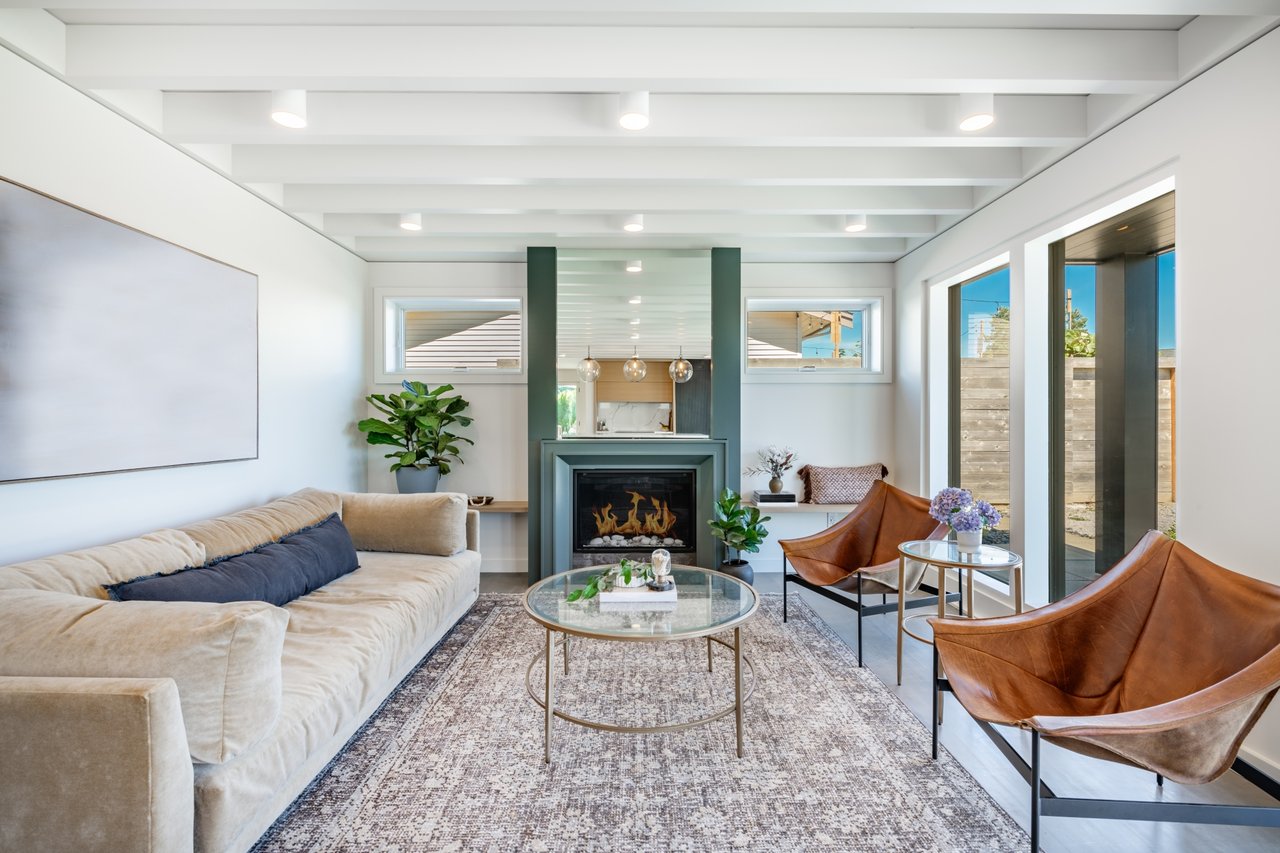
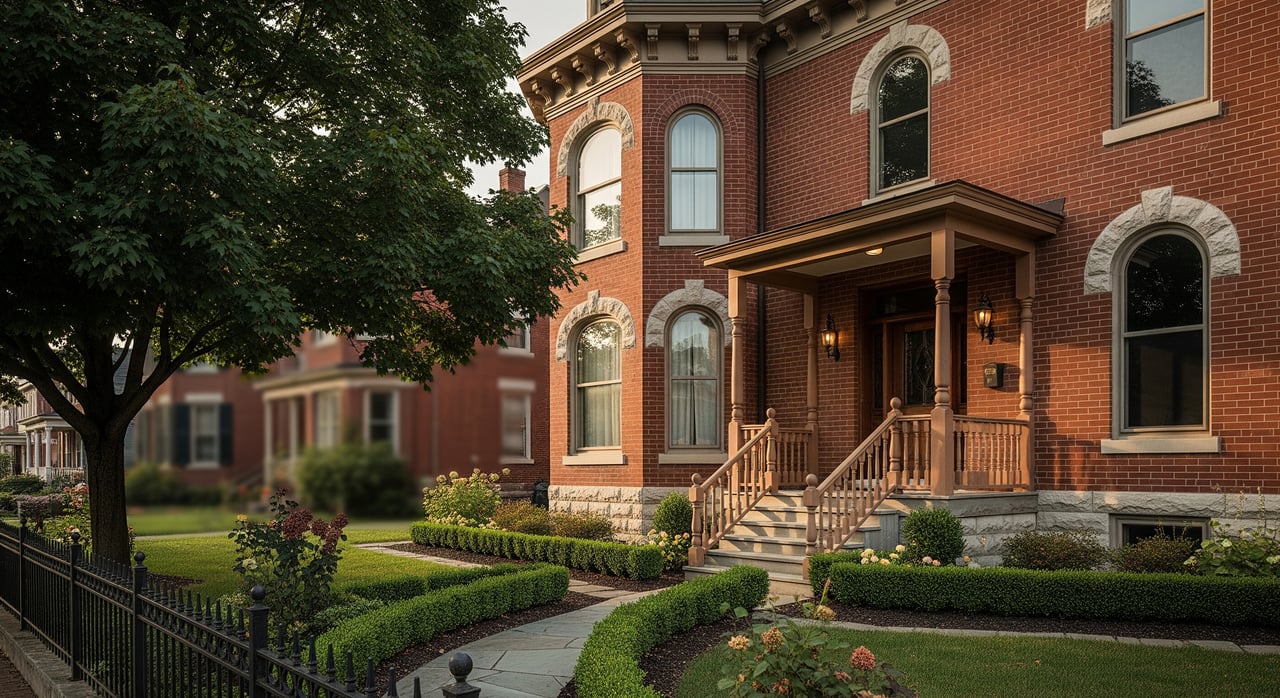
You will see late 19th and early 20th century architecture on nearly every block. Expect Victorian, Queen Anne, Italianate, Colonial Revival, and early Craftsman styles. Inside, tall ceilings, hardwood floors, and detailed woodwork are common. Some large homes were converted into duplexes or multiple units over the years, and you will also find two-flats and small apartment buildings.
Prices and what you get
Prices cover a wide spectrum. Entry-level homes and fixer properties can be more attainable compared to some central-city peers, while fully restored mansions and top-tier renovations can reach high six or even seven figures. Condition and location vary by block, and the best renovated homes tend to draw strong interest. If you want move-in ready, plan to act fast. If you prefer adding value, expect to compete with other buyers and some investors.
Renovation realities
Many homes here are 100-plus years old. Common projects include updating electrical, plumbing, and HVAC, improving insulation, addressing lead-based paint and older windows, and modernizing kitchens and baths. Costs and timelines can run higher than for newer construction. Work with inspectors and contractors who understand historic structures.
If a property sits inside a locally designated historic district, exterior changes often require review and approval by the city’s historic preservation office. Materials, window replacements, and porch or façade updates may need permits. Plan for the review timeline before you set a renovation schedule.
Financing and incentives
You can use conventional, FHA, or VA loans for many homes. For projects, buyers often look at renovation financing such as FHA 203(k) or Fannie Mae HomeStyle. Owners of qualifying historic properties may be eligible for state or federal historic rehabilitation tax credits if the rehab is certified. Local incentives, like façade grants or certain abatements, can apply to specific projects. Always verify program availability and rules with the City of Columbus and the Ohio Historic Preservation Office before you rely on them in your budget.
Walkability and transit
Walkability is one of the biggest draws. Depending on your street, you can reach cafes, bars, galleries, and everyday services on foot. Public transit routes serve the Broad Street, Main Street, and Parsons Avenue corridors. Biking is practical for many commutes and errands, though bike infrastructure varies by block. Downtown is close, and many drives take under 15 to 20 minutes depending on traffic.
Dining, arts, and errands
You will find an evolving mix of coffee shops, casual eateries, bars, and indie retail in and around the neighborhood. If you want more options, Short North, Downtown, German Village, and other nearby districts are a short ride away. For groceries, expect a blend of small markets and larger supermarkets along nearby corridors. Arts are part of the fabric here, with studios, murals, and community events that showcase local talent.
Parks and green space
Parks, pocket greens, and community gardens add a welcome breather to city life. You also have access to larger municipal parks and downtown recreation facilities within a short drive or bike ride. Street trees and small gathering spots make it easy to enjoy time outside.
Safety and community feel
Safety can differ by block. Some streets show long-standing investment, while others have more turnover or vacancy. To get a clear picture, talk with neighbors, review local crime maps, and visit at various times of day. Active neighborhood groups, meetings, and block gatherings help residents share updates and work on local priorities.
Schools and education options
Olde Towne East is served by Columbus City Schools. School assignments depend on your exact address. Some families choose charter or private options elsewhere in the city. Always confirm boundaries and programs with the district before you decide on a property.
Commute and connectivity
You are minutes from downtown employment centers and cultural venues. I-71 and I-670 offer regional access, though highway noise can affect some nearby streets. Many residents mix driving, biking, and transit to keep commute times predictable.
Parking and daily logistics
On-street parking is common. Some homes include driveways or small garages, but availability depends on the lot and the block. If parking is a must-have, verify on-site spaces, alley access, and any street regulations during your home search.
Investors and rental demand
Proximity to downtown supports a steady rental market. You will see multi-unit properties and some large homes converted to apartments. Competition can be strong for well-located properties with clear value-add potential. If you plan to renovate and hold, factor in historic review where it applies and budget contingencies for older building systems.
Zoning and future change
Zoning ranges from single-family to multi-family, with mixed-use near key corridors. City planning efforts and new developments can shape building types and streetscapes over time. If you are sensitive to change, review zoning maps and track pending projects so you know what might evolve near your block.
Is it the right fit for you?
Choose Olde Towne East if you love historic character, porch culture, and quick access to downtown arts and dining. Be ready for block-by-block variety and the possibility of renovation work. If you want large yards, uniform streetscapes, and newer construction, you might prefer neighborhoods farther out. If you want soul, story, and the chance to create value, this area gives you plenty to explore.
How to get to know it fast
- Visit at different times of day and on weekends. Notice foot traffic, parking, and noise.
- Walk three to four blocks in any direction from a home you like to understand the micro-location.
- Talk with neighbors and attend a local association meeting.
- Review recent sold listings to gauge condition versus price.
- Bring a contractor or inspector to a second showing if you plan to renovate.
- Confirm school boundaries, transit routes, and any historic district rules for the exact address.
Work with a local guide
You deserve clear advice and a smooth process. Our team pairs neighborhood knowledge with renovation-savvy guidance, from pricing and negotiation to contractor conversations and long-term planning. If you are weighing Olde Towne East for your next move or investment, we can help you explore options and move with confidence. Start your search with the team at Core Realty Collection.
FAQs
What is Olde Towne East in Columbus?
- It is a Near East Side neighborhood just east of downtown known for historic homes, walkable blocks, and an active community scene.
How long is the commute to downtown Columbus from Olde Towne East?
- Many commutes are under 15 to 20 minutes by car, with biking and transit as workable options depending on your route.
What types of homes are common in Olde Towne East?
- You will find Victorian, Queen Anne, Italianate, Colonial Revival, early Craftsman, two-flats, small apartment buildings, and some infill construction.
Are there historic district rules for renovations in Olde Towne East?
- Parts of the neighborhood fall under local historic review, which often requires approval for exterior changes such as windows, porches, and façade materials.
What financing helps with renovations on older homes?
- Buyers often use FHA 203(k) or Fannie Mae HomeStyle renovation loans, along with conventional options; some certified historic projects may qualify for tax credits.
Is Olde Towne East walkable and transit friendly?
- Yes, many daily destinations are within walking distance, and bus lines serve Broad Street, Main Street, and Parsons Avenue corridors.
How is parking for homes in Olde Towne East?
- On-street parking is common, and some homes have driveways or small garages; availability varies by block and lot layout.
Which schools serve Olde Towne East?
- The area is served by Columbus City Schools, and school assignments depend on the specific address; some families consider charter or private options citywide.